Define the layer stack
Provide the material and thickness of each layer, adhesive and release liner. Identify the cut layers, retained layers and acceptable surface marks.

For polarizers and multilayer films, selection starts with both material size and which layers must be cut or retained. NZ and PZ provide initial directions for sheet and roll processing respectively.
Provide the material and thickness of each layer, adhesive and release liner. Identify the cut layers, retained layers and acceptable surface marks.
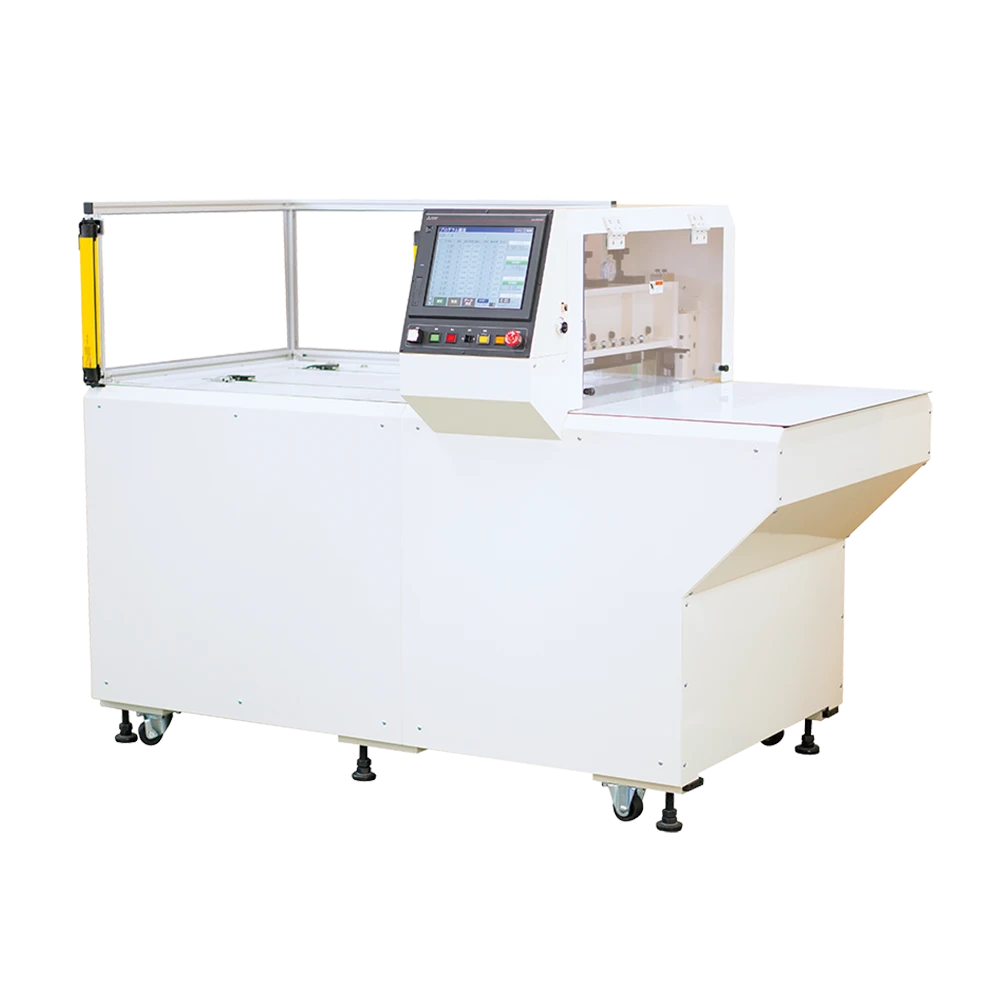
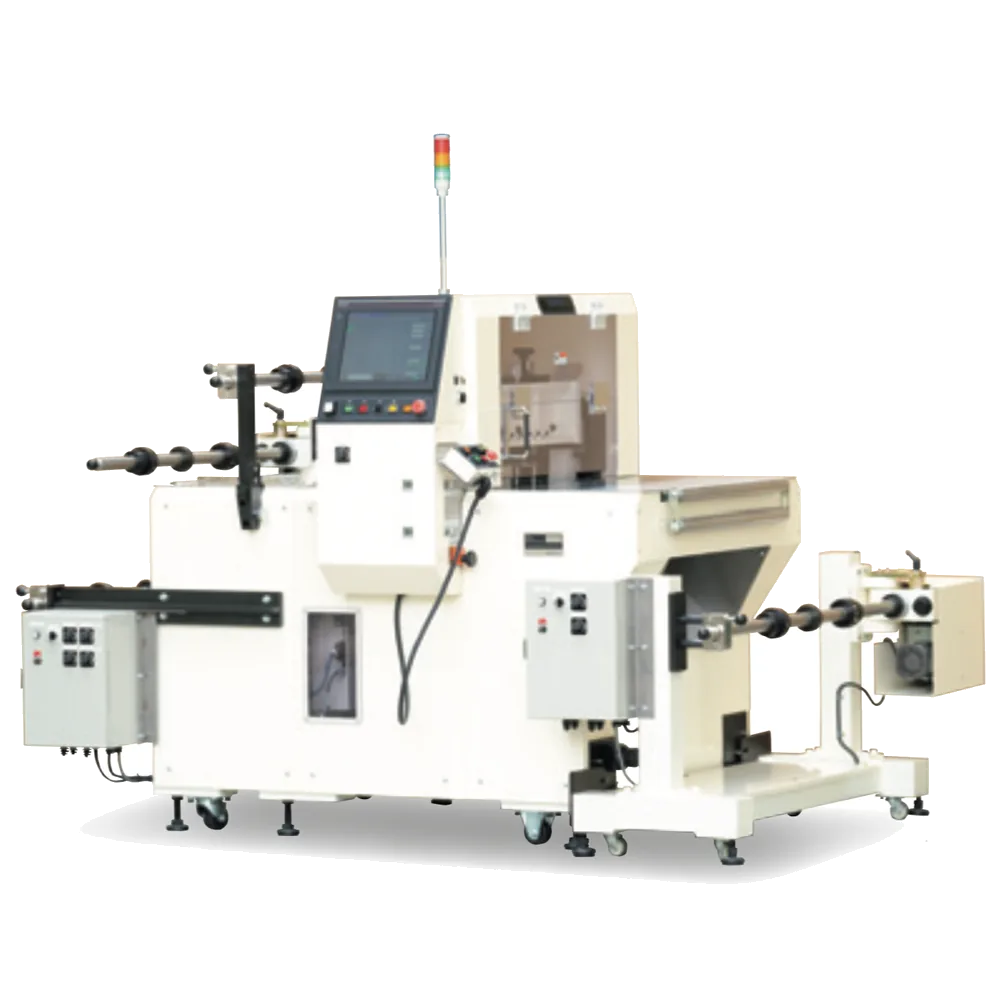
NZ uses table feeding for lengthwise and crosswise cutting. PZ uses roll feeding for evaluating continuous roll processing.
The catalog's 0.001mm values refer to relevant setting or adjustment increments, not a guaranteed workpiece accuracy. Use sample trials to inspect retained layers and edges.
No. A dimension setting increment, a depth adjustment increment and a measured part deviation are different metrics. Material thickness variation, clamping and blade configuration must be assessed in a trial.
State sheet or roll form, working width, each layer's thickness, target cut length, the retained layer and acceptance method. An annotated cross-section can help explain the requirement.